Ensure Lower Basin deliveries and
allow Upper Basin development
Background
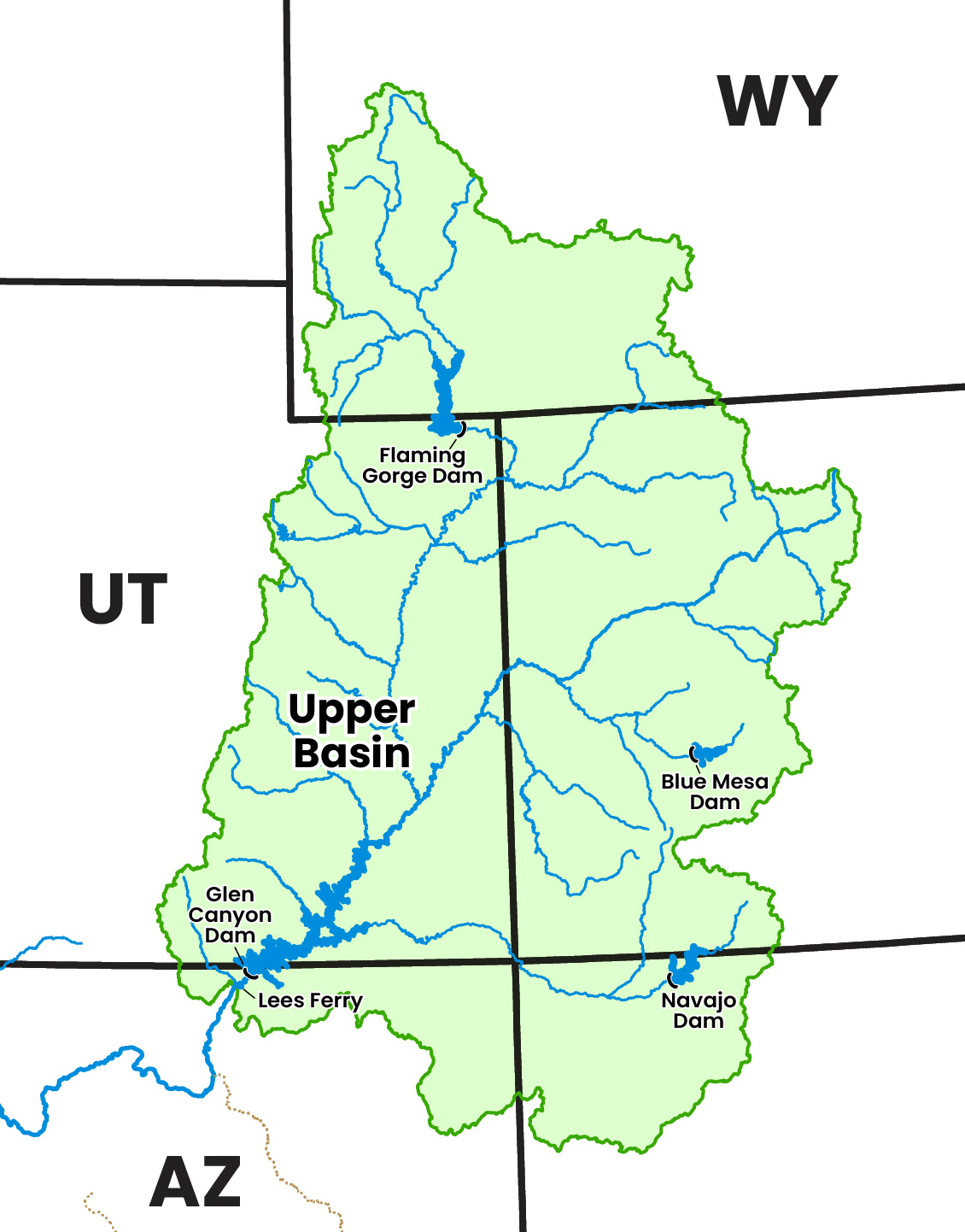
After the Colorado River was divided between the Upper and Lower Basins, the Upper Basin states (Colorado, New Mexico, Utah and Wyoming) turned to the question of how to share their 1922 Colorado River Compact (Compact)-allocated waters, while also ensuring the Lower Basin states (Arizona, California and Nevada) would continue to receive their mandatory Compact deliveries at Lees Ferry, Ariz.
This task was made more challenging by the massive drought of 1931-1940, which revealed that at least occasionally, the river could be expected to shrink such that there would not be enough water for the Upper Basin to both use its allocation and make its minimum deliveries to the Lower Basin.
The problem was succinctly summarized by the State of Colorado’s legal advisor who observed in 1949, “the states of the Upper [Basin] are required by the 1922 Compact to maintain certain flows at Lees Ferry. The water available for use [by the Upper Basin] is that remaining after the Lees Ferry delivery requirements are satisfied.”
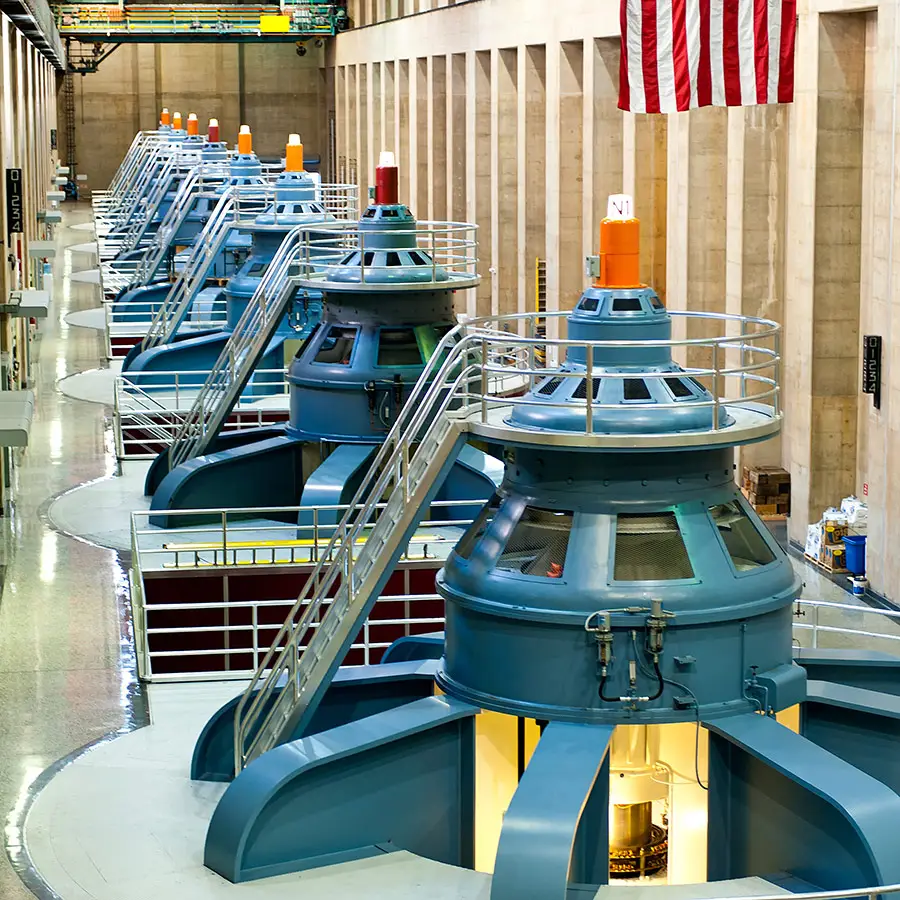
The dams built under the Colorado River Storage Project Act of 1956 provided opportunities to integrate hydropower production in the dams themselves. While these dams continue to provide reliable green energy to this day, Congress made clear that hydropower was simply a bonus side effect of the projects. Water storage and Colorado River Compact compliance would always be the primary purpose and use of these reservoirs.
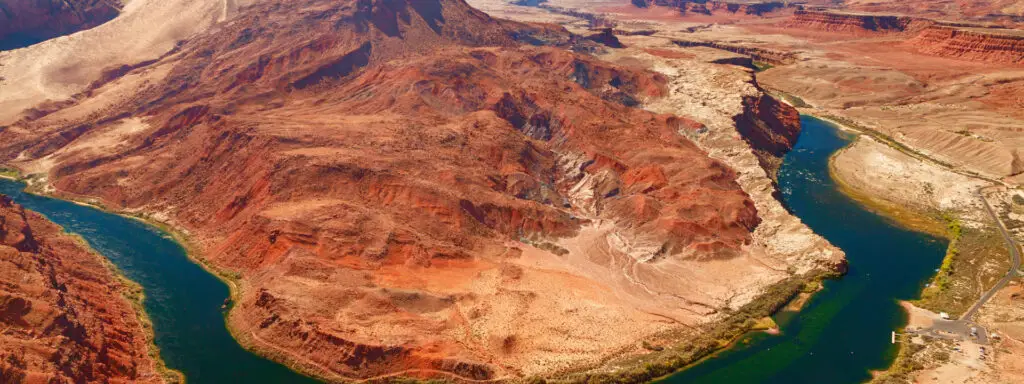
Lees Ferry, Arizona
Compact Major Elements
An answer to these Upper Basin challenges was to construct massive storage reservoirs upstream from Lees Ferry, Ariz. These storage reservoirs would act as savings accounts that could be used to deliver water to the Lower Basin during times of drought to make sure that the Lower Basin states would continue to receive their required Compact deliveries. With these large volumes of stored water ready for delivery to the Lower Basin, the Upper Basin states were able to use more of their Compact allocation even in drought years, without the constant fear that their users would be cut to ensure compliance with their Compact delivery obligations.
The federal government authorized and financed many of these savings account dams under the Colorado River Storage Project Act of 1956. Today we know these dams as Blue Mesa, Glen Canyon, Flaming Gorge and Navajo, among others.
What it means today
As flows in the Colorado River have decreased in the last 20 years of drought, the Upper Basin deliveries at Lees Ferry, have shrunk to the point that withdrawal from the savings account dams will soon be required to ensure Lower Basin minimum delivery obligations will be met.